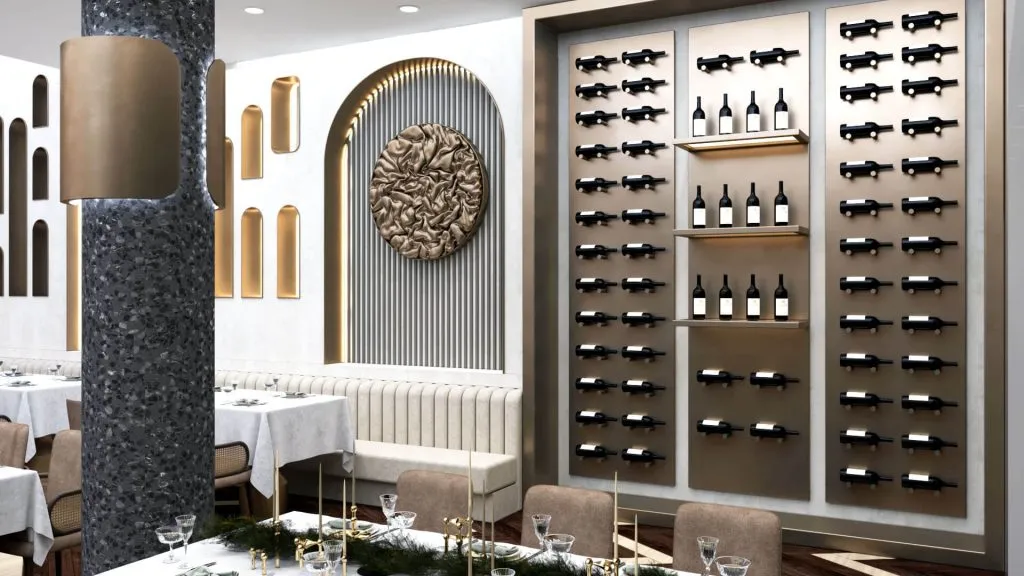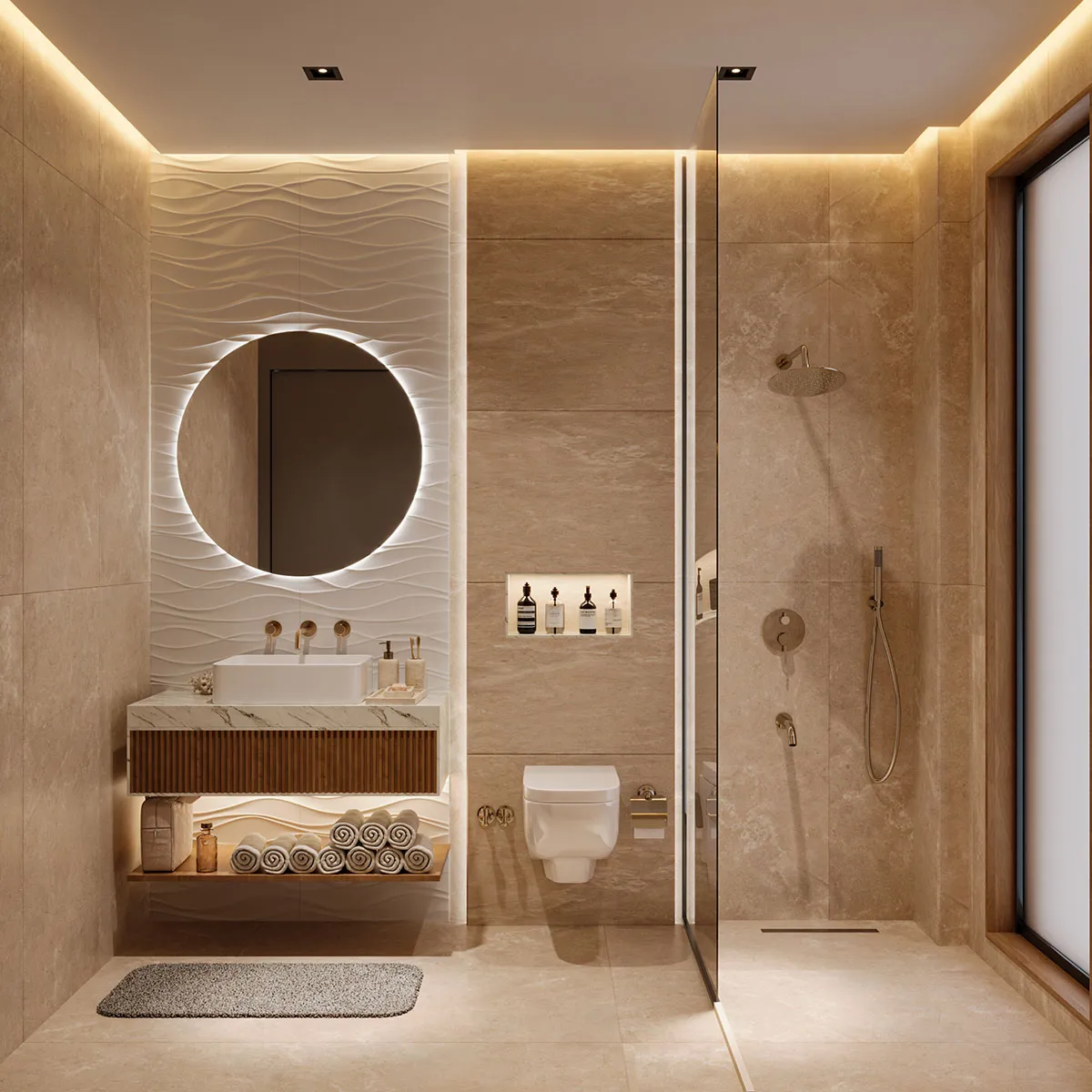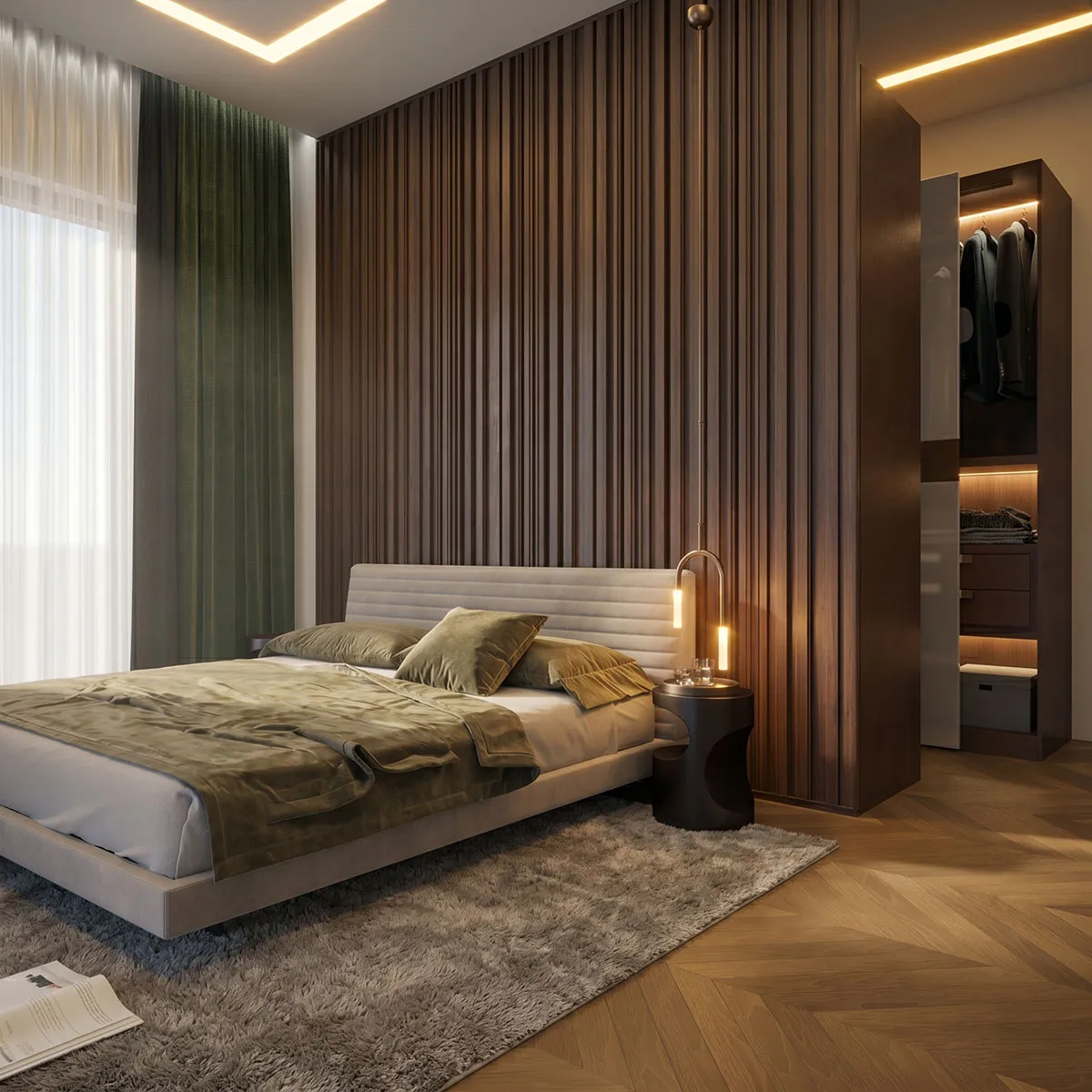
Interior visualization communicates both layout and atmosphere by combining furniture, materials, natural light and artificial lighting. Useful presentation views reveal how the space functions without losing the architectural intention behind the design.
Define the real objective of your furniture imagery
A furniture brand may need catalog consistency, accurate product details, multiple finishes or atmospheric lifestyle scenes. The right production method depends on how many products and variations must be shown, and where the images will be used.
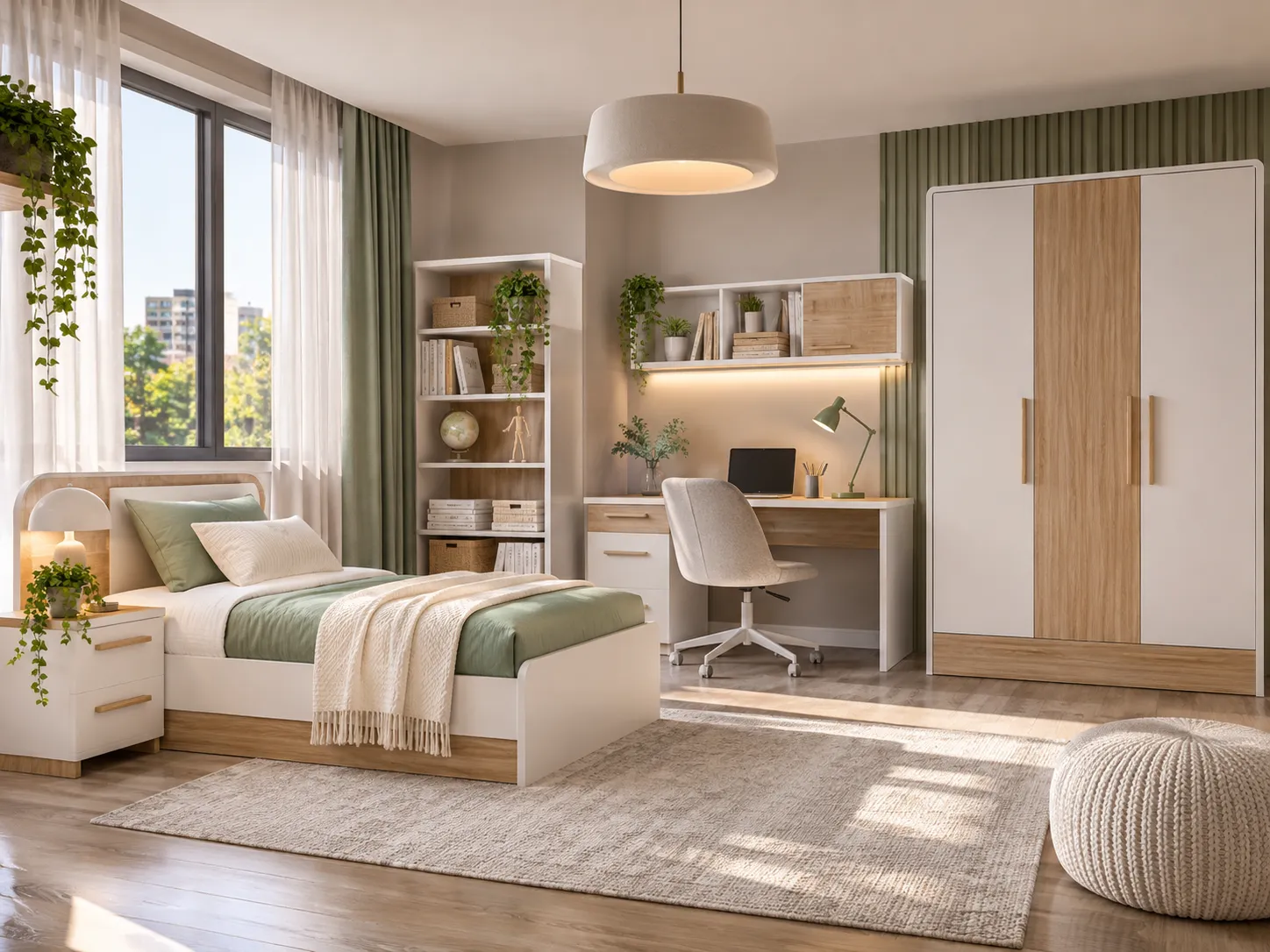
Strengths of studio photography
Photography records a finished physical product directly, including workmanship, fabric behavior and real-world material characteristics. It is a strong choice for final quality verification, although transport, studio setup and repeated shoots can be expensive.
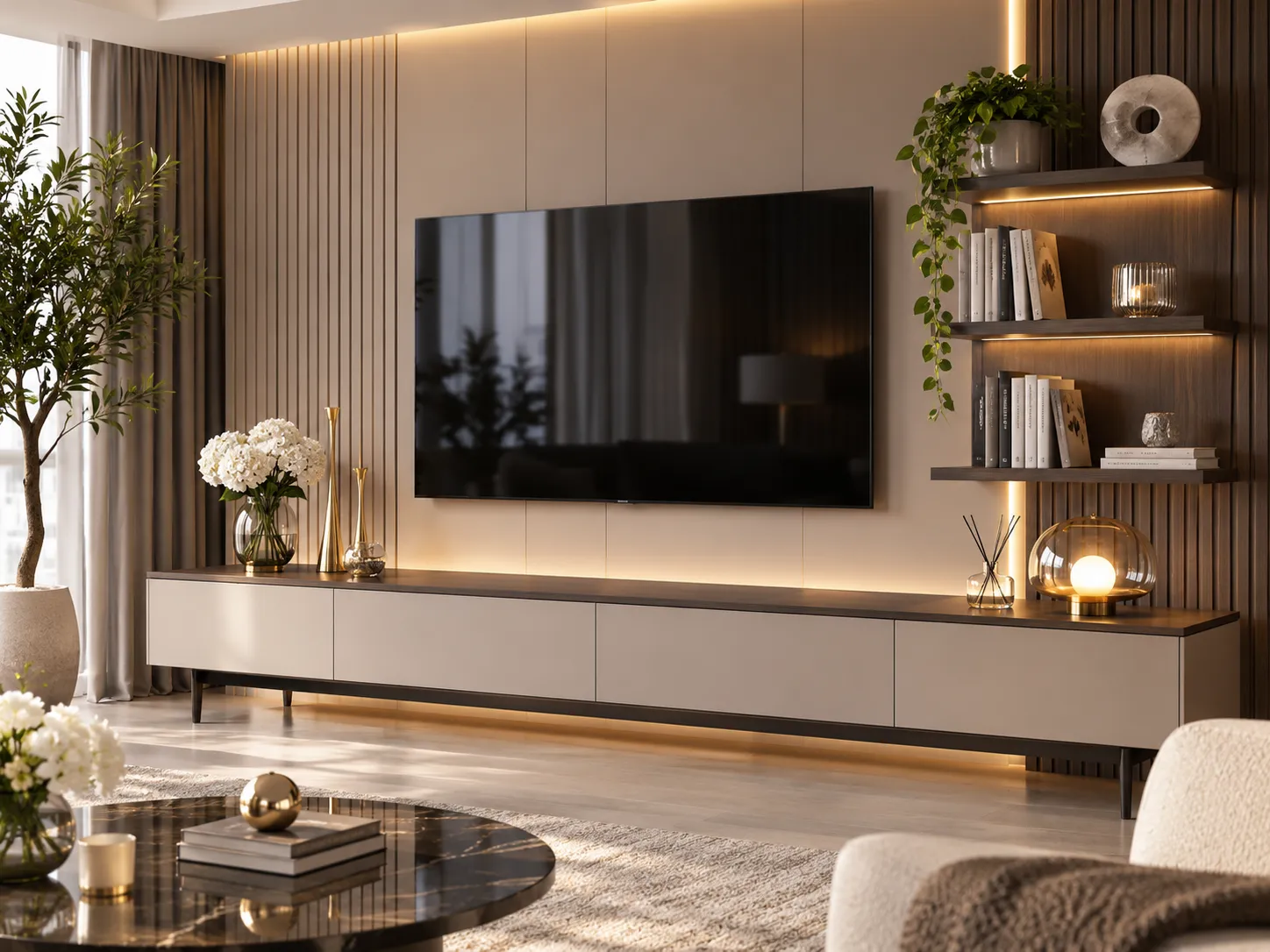
Advantages and limits of 3D furniture rendering
A well-built product model can be reused with new camera angles, colors, materials and room environments. It is particularly useful for products still in development. Accuracy depends on reliable dimensions, modeled details and trustworthy material references.
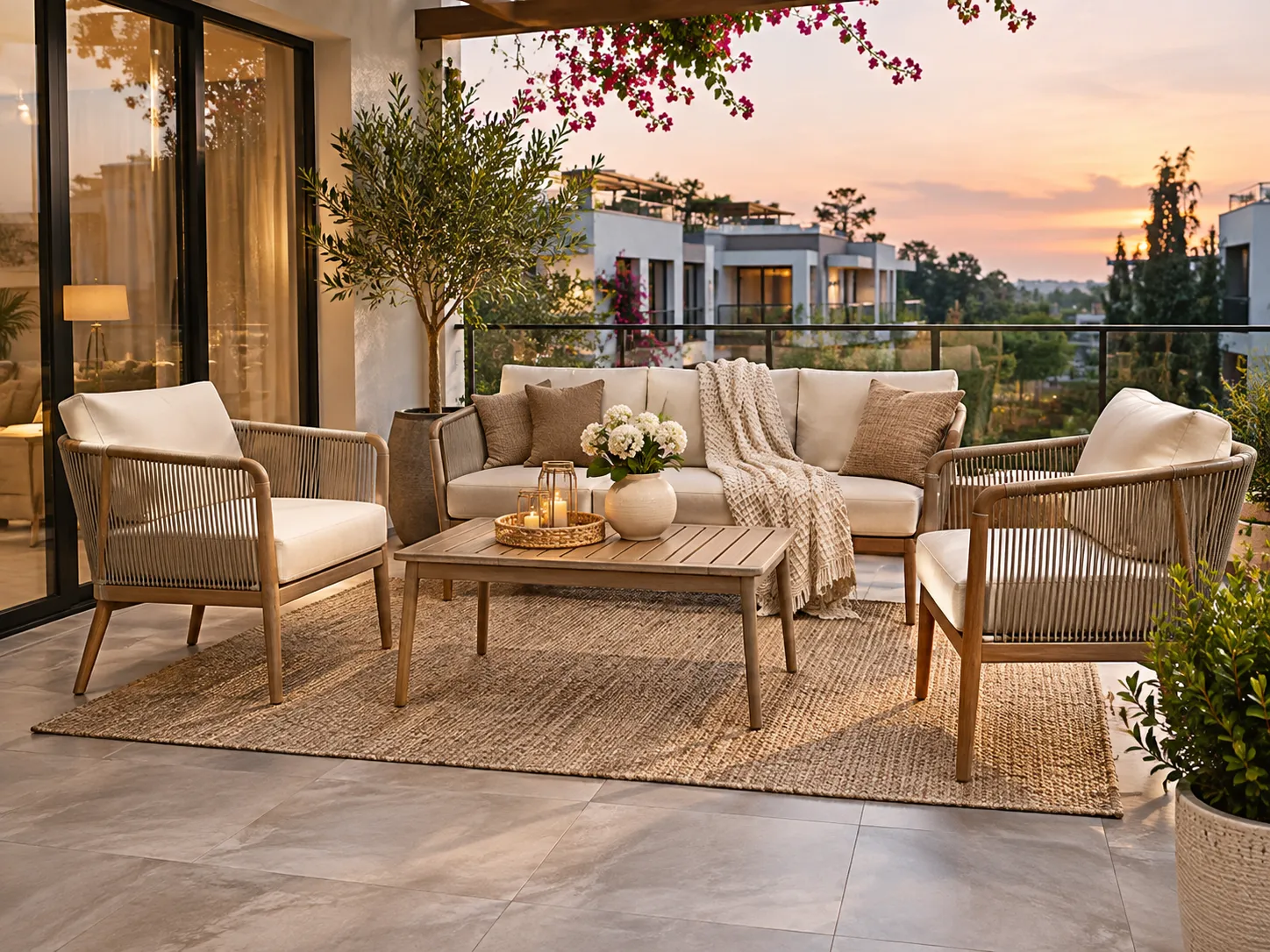
Lifestyle scenes or white-background images?
A neutral product image makes silhouettes and finishes easy to compare, while a furnished lifestyle scene demonstrates scale and intended use. Many brands benefit from both: consistent catalog views plus selected aspirational interior scenes.
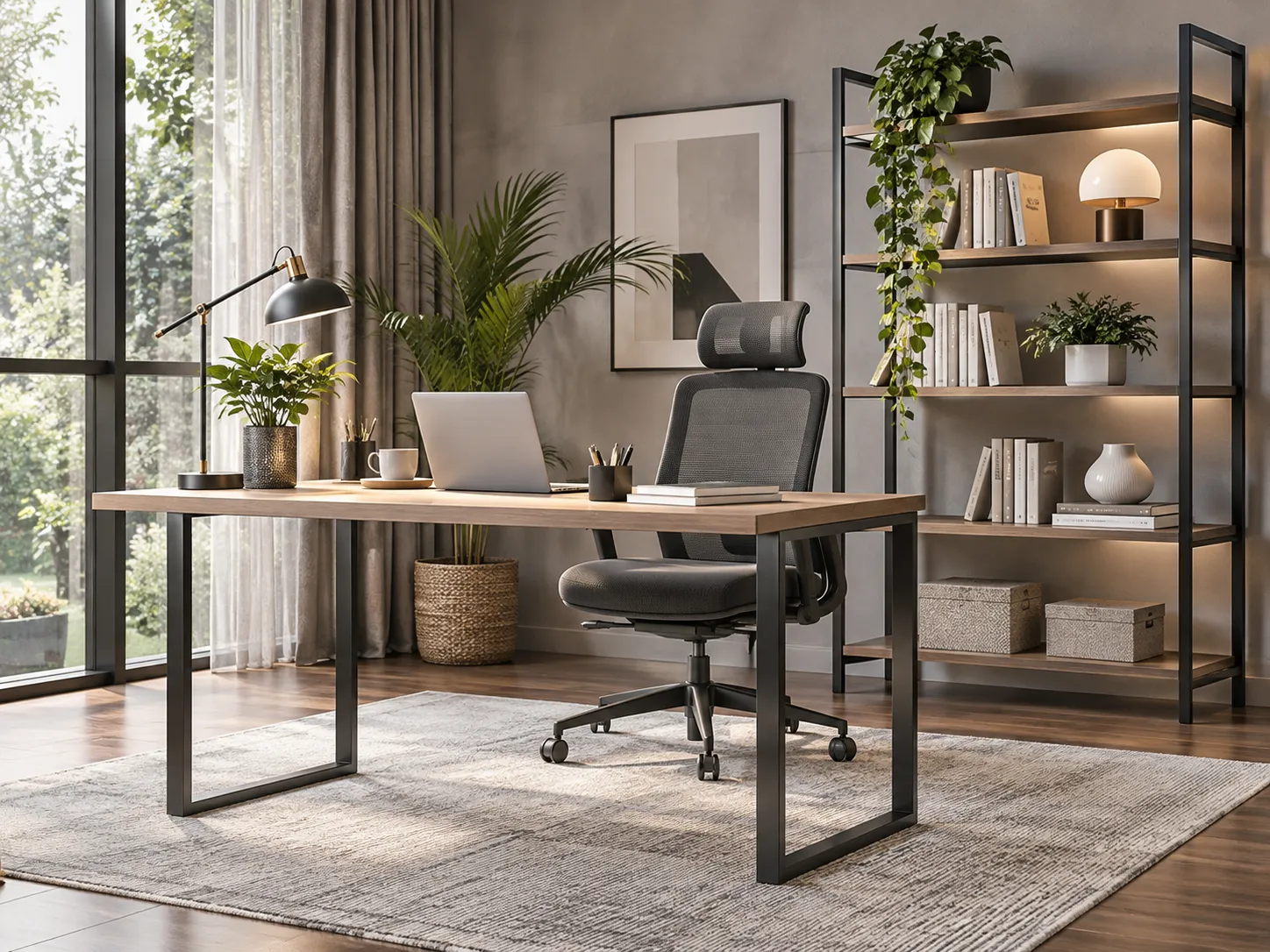
Fabric, wood and marble variations
Digital visualization can show many upholstery and surface options without manufacturing every variant. Maintain an approved material library and compare samples under consistent lighting so the renders do not promise inaccurate colors or textures.
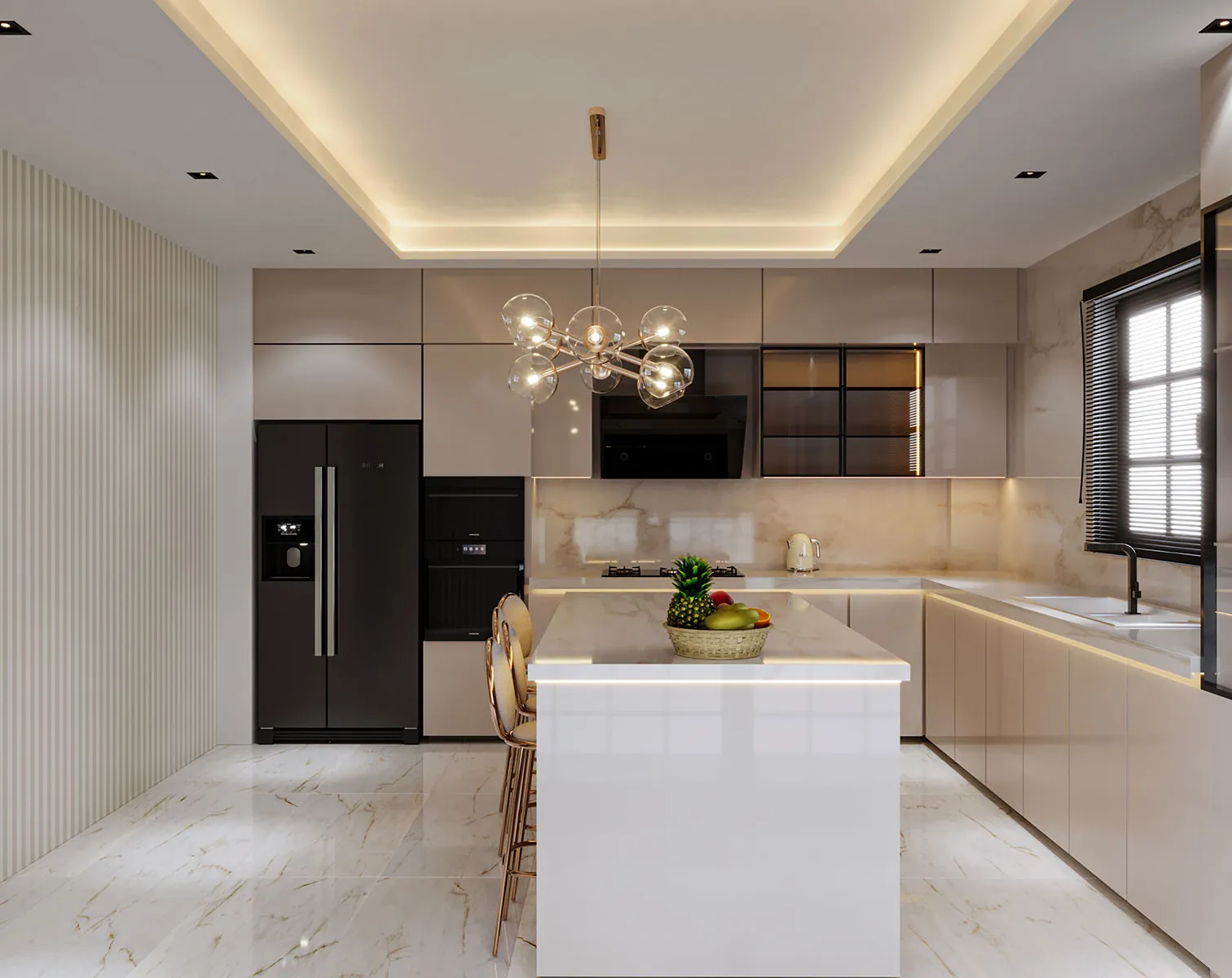
How to compare production costs
Compare the full number of SKUs, camera views and material variations rather than the cost of one image. Photography includes handling and physical setup; 3D includes modeling and initial material development. Reuse across many variants can change the economics significantly.
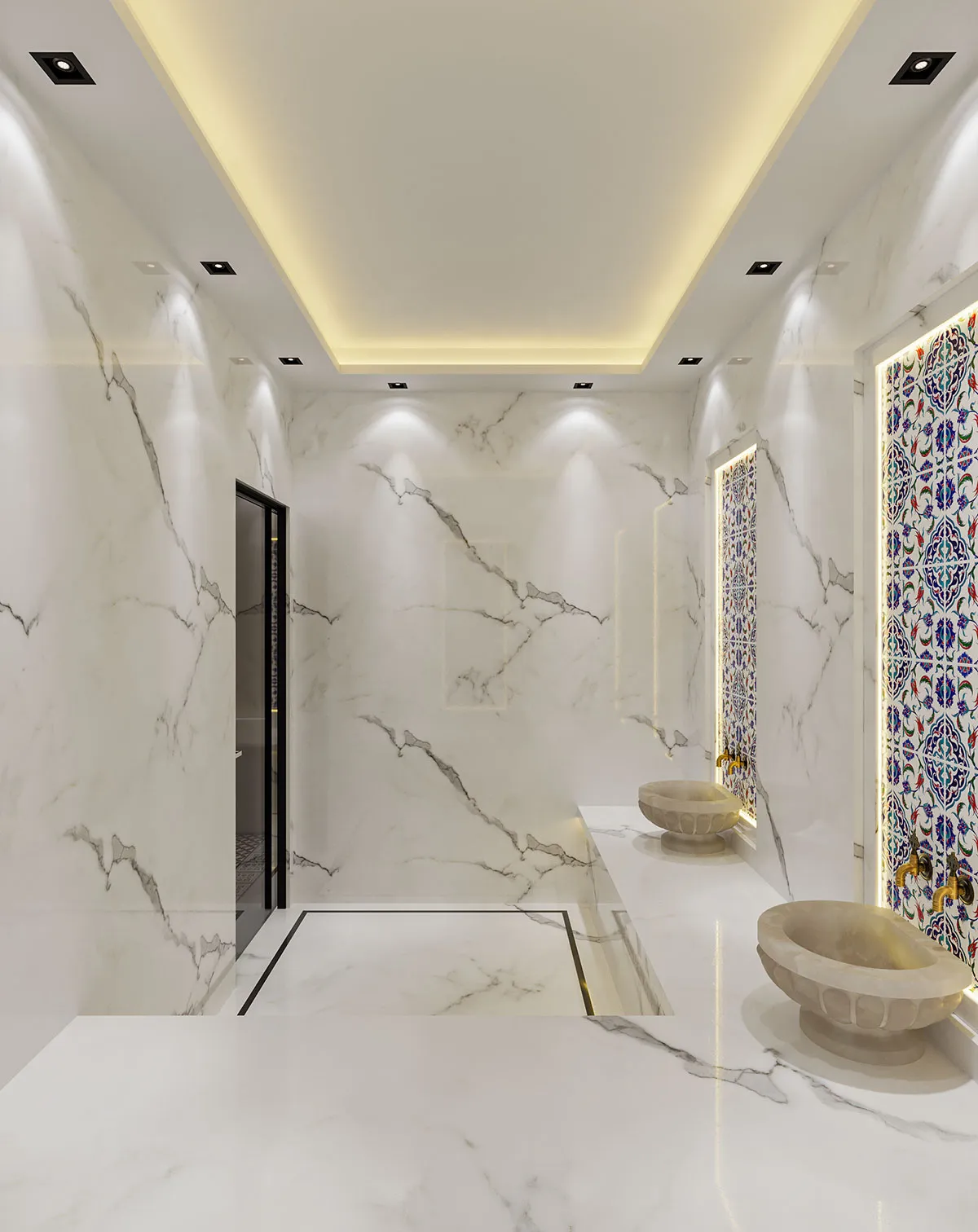
A suggested image package by product range
Start with clean standard views for all products and develop a limited set of lifestyle images for hero products. Add close-up details wherever construction, texture or quality is a key selling point. Keep naming and framing consistent across the collection.
Next steps for your project
Before applying these ideas, evaluate the project’s dimensions, intended use, available drawings and material requirements together. Render Atölyesi helps translate architectural information into informed design and visualization decisions.
Explore the related service