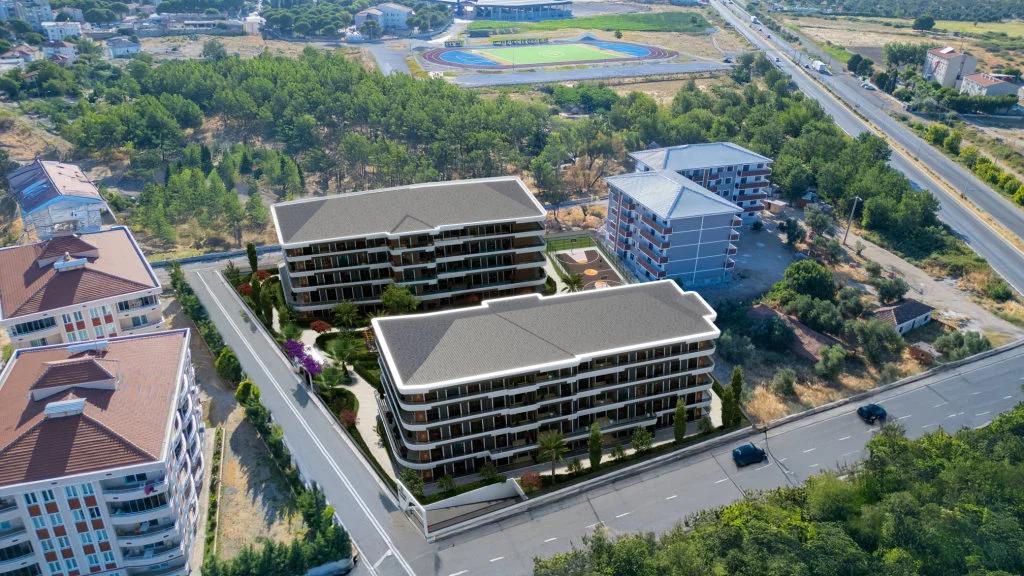
Property presentation works best when the architectural visuals and the commercial message support one another. Choose the format around the buyer journey: exterior views for context, interiors for atmosphere, floor plans for spatial clarity and tours for exploration.
Project marketing involves more than architectural rendering
A strong residential marketing package connects the proposed architecture with a clear sales story. Renderings are important, but so are the development identity, buyer expectations, floor-plan presentation, copy, digital channels and consistent design language. The visual material should make the property easy to understand before construction is complete.
Define your audience and the project’s strongest qualities
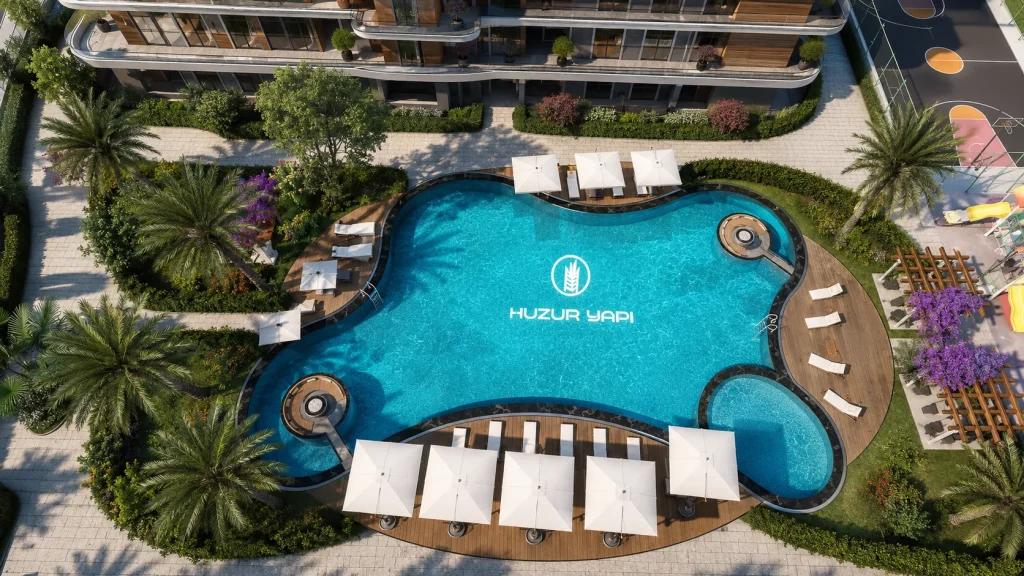
A family-focused development, a luxury villa scheme and a compact urban apartment project have different buyers. Identify the selling points that matter to each audience: location, privacy, light, landscaping, amenities, plan efficiency or investment value. These priorities should direct the images and marketing message.
Exterior perspectives and aerial views
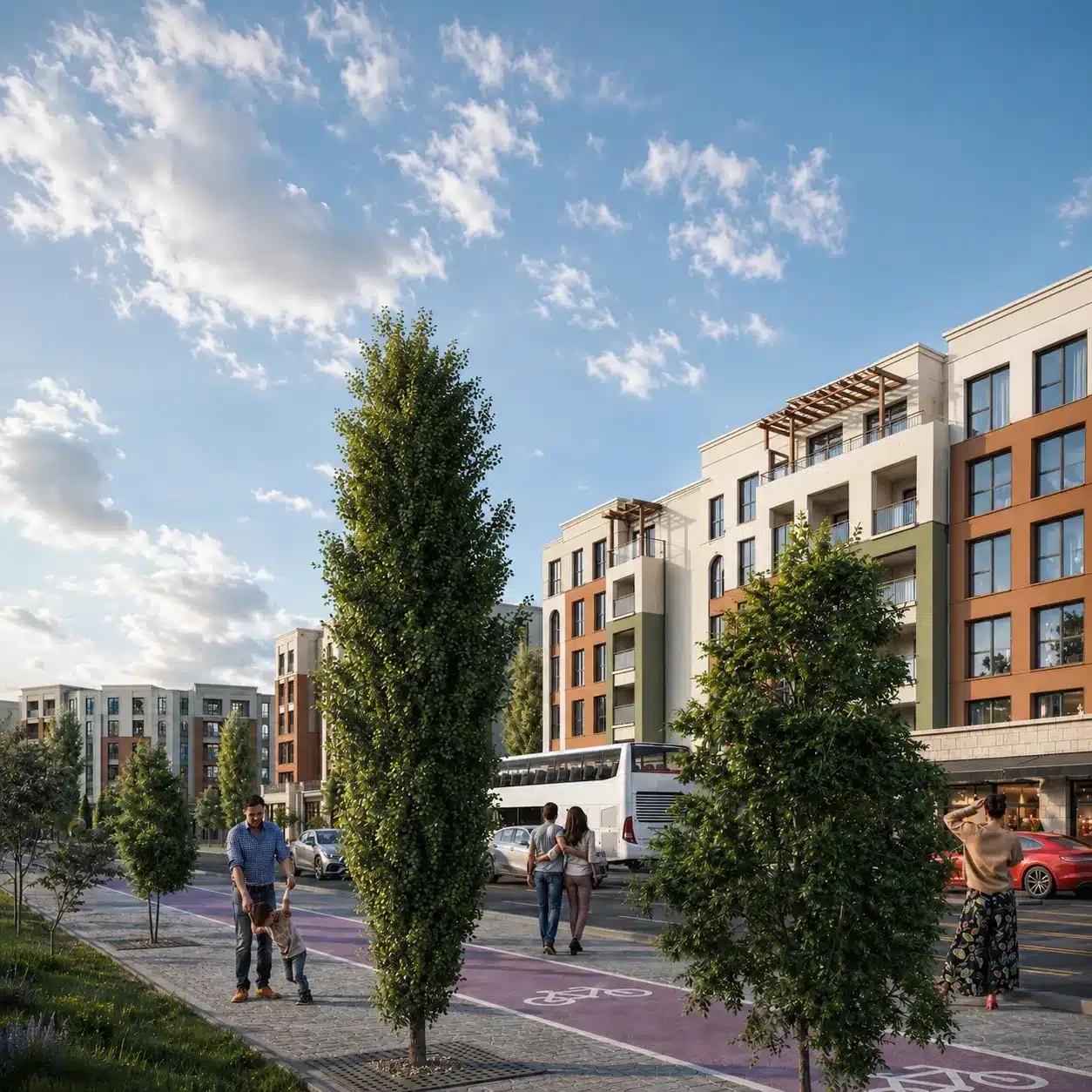
Street-level images communicate entrance design, facade materials and the pedestrian experience. Aerial perspectives explain site planning, gardens, parking, circulation and the relationship between buildings. Use multiple angles only when each adds information; attractive but repetitive images do little to clarify a project.
3D floor plans, apartment types and interiors
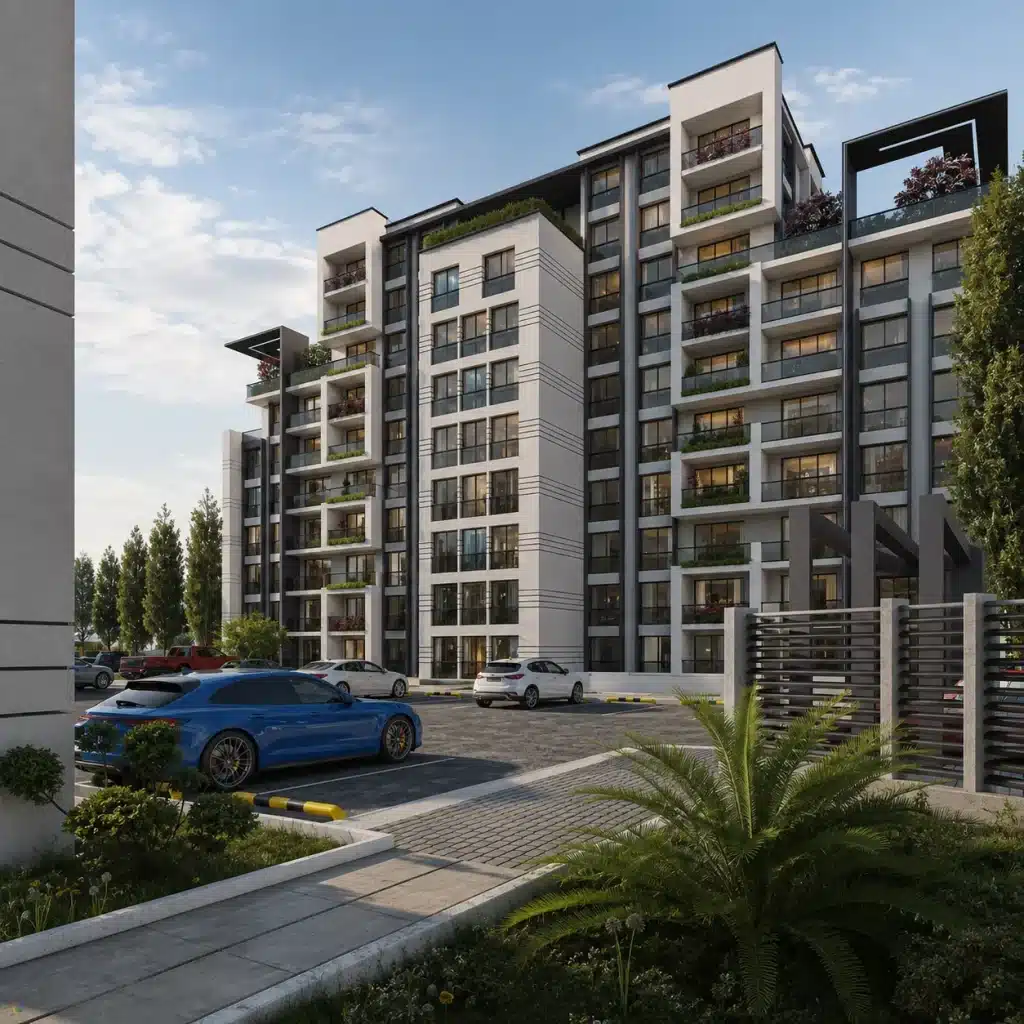
Prospective buyers need to understand how each unit works, not merely how the building looks. Legible floor plans can distinguish apartment options, while interior renderings show scale, furniture arrangement and natural light. Keep the layouts consistent with approved architectural drawings.
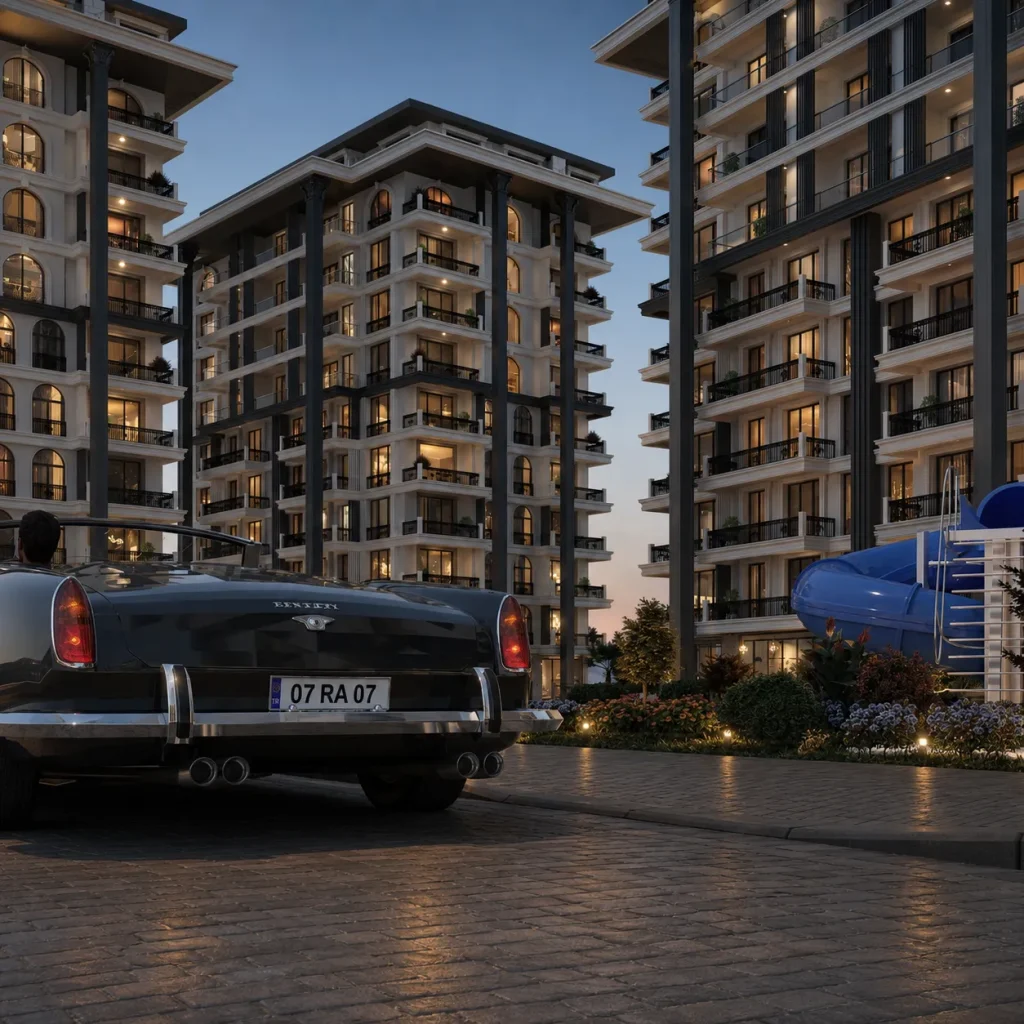
Architectural animation and 360-degree virtual tours
Animation communicates a sequence: arrival, entrance, shared spaces and selected apartments. A 360-degree tour allows prospective buyers to explore specific viewpoints at their own pace. Both are particularly useful when a project cannot yet be visited physically, but neither replaces clear technical plans and written information.
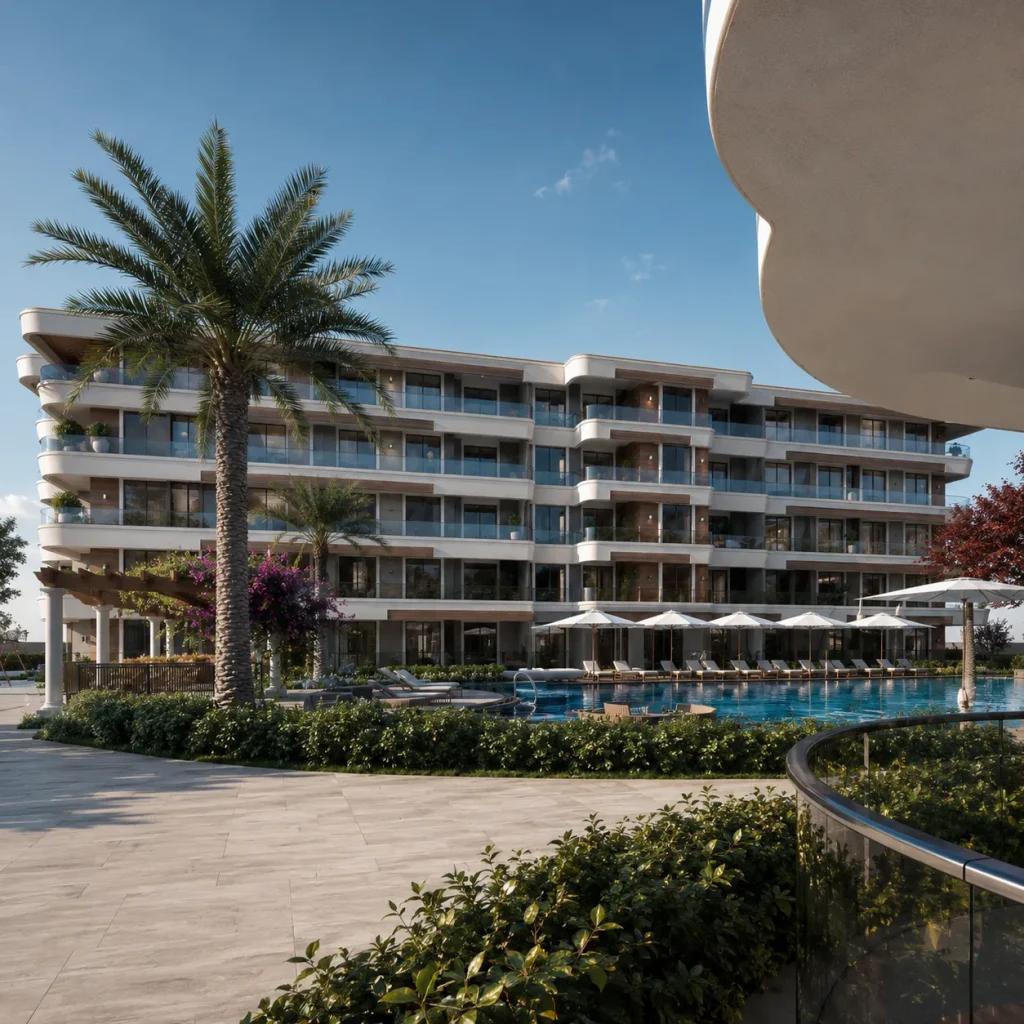
Catalogues, websites, social media and listing assets
A coherent visual identity should carry through printed catalogues, campaign landing pages, social advertisements and property listings. Prepare suitable image crops and text lengths for each channel instead of reusing one composition everywhere. Confirm that project details, logos and contact information remain consistent.
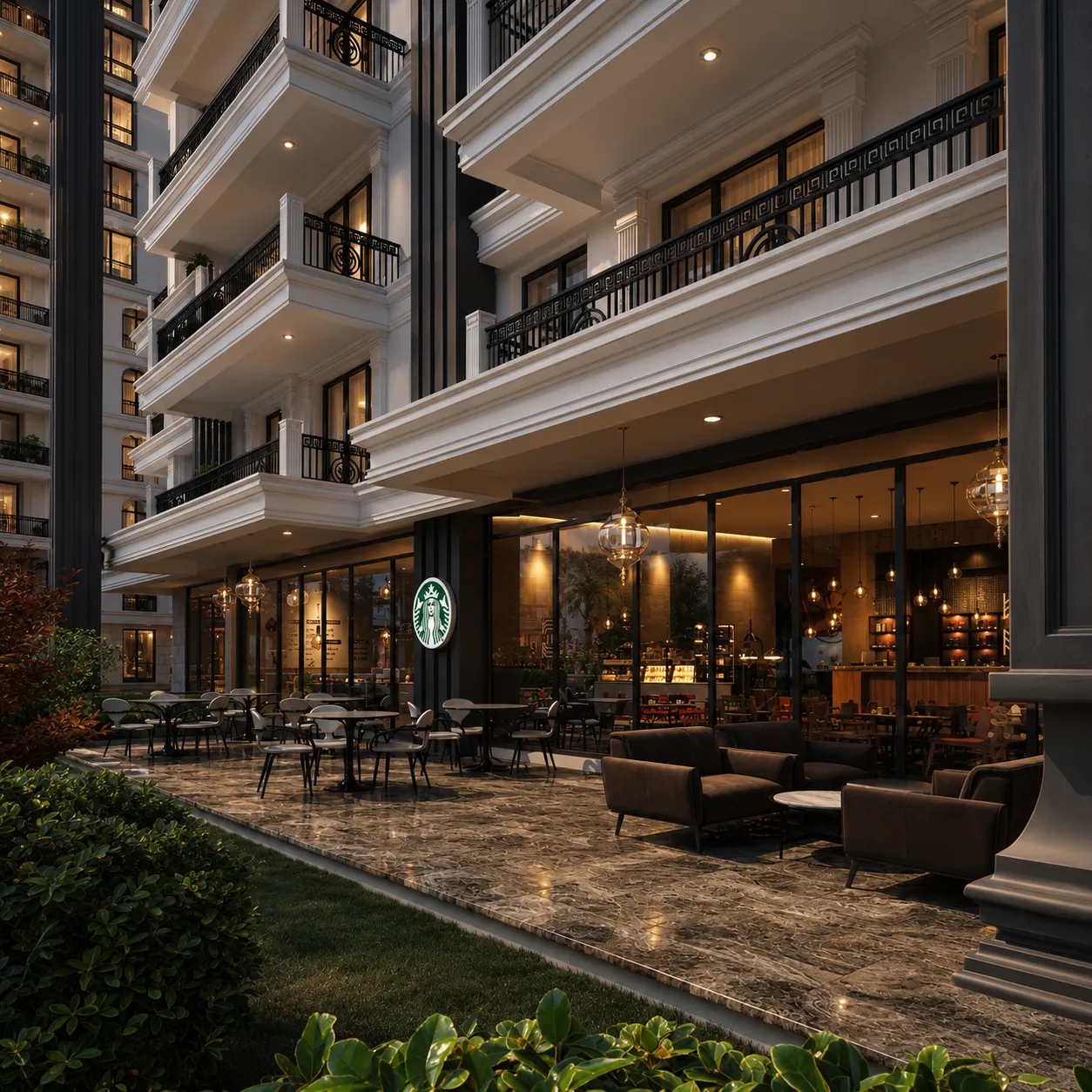
What to check before the sales launch
Before publishing, verify unit types, site layout, parking arrangements, facade finishes and advertised facilities against the current design. Separate indicative visuals from guaranteed project specifications where necessary. A final review by the developer and design team can prevent misleading claims and expensive campaign corrections.
Next steps for your project
Before applying these ideas, evaluate the project’s dimensions, intended use, available drawings and material requirements together. Render Atölyesi helps translate architectural information into informed design and visualization decisions.
Explore the related service